
Emerald Ash Borer Confirmed in Bismarck, ND: Protect Your Trees and Plan for the Future
Emerald Ash Borer has officially been detected in Bismarck, North Dakota. If you have ash trees on your property, now is the time to start planning.
On August 26, 2026, the North Dakota Department of Agriculture announced the first confirmed detection of Emerald Ash Borer (EAB) in central North Dakota.
This invasive insect poses a serious threat to ash trees throughout the Bismarck-Mandan area and surrounding communities.
Whether you have a few ash trees in your yard or hundreds of trees in a farmstead windbreak or shelterbelt, taking action early can help protect your property and reduce future replacement costs.
What Is Emerald Ash Borer?
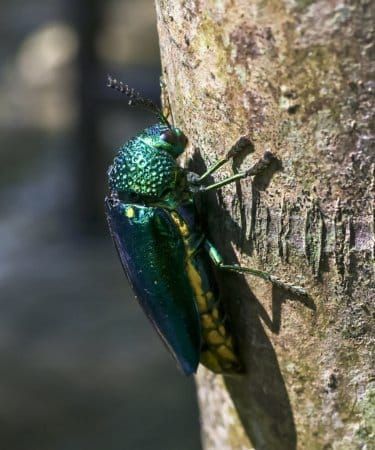
Emerald Ash Borer (EAB) is an invasive, wood-boring insect that attacks and kills ash trees.
The insect's larvae feed beneath the bark, damaging the tissues responsible for transporting water and nutrients throughout the tree. As the infestation progresses, the tree weakens, branches die, and the tree can eventually be lost.
Because ash trees are commonly found in North Dakota yards, farmsteads, shelterbelts, and windbreaks, Emerald Ash Borer could have a significant impact on both residential and rural properties.
The sooner you develop a plan, the more options you may have for managing your ash trees and preparing for their eventual replacement.
How to Identify Emerald Ash Borer Damage
Emerald Ash Borer damage can be difficult to recognize in its early stages. Property owners should watch for these common warning signs:
- Thinning canopy: Fewer leaves and dying branches near the top of the tree.
- Dead or declining branches: Sections of the tree begin to die back.
- New shoots on the trunk: Unusual leafy growth emerging from the trunk or lower branches.
- Splitting bark: Vertical cracks that may expose insect activity beneath the bark.
- S-shaped tunnels: Winding galleries created by larvae feeding under the bark.
- D-shaped exit holes: Small holes left behind when adult beetles emerge.
Not every declining ash tree has Emerald Ash Borer. Other insects, diseases, drought, and environmental stress can cause similar symptoms. Suspected infestations should be reported to the North Dakota Department of Agriculture.
What Should You Do If You Have Ash Trees?
1. Identify the Ash Trees on Your Property
Start by taking inventory of your existing trees.
Determine how many ash trees you have, where they are located, and whether they are individual landscape trees or part of a larger windbreak or shelterbelt.
2. Evaluate Their Condition
Look for signs of decline, dead branches, and overall tree health.
Healthy, valuable ash trees may be candidates for preventive treatment by a qualified tree-care professional. Trees already in poor condition may require removal and replacement.
3. Develop a Long-Term Replacement Plan
If your property relies on ash trees for wind protection, privacy, snow control, or landscaping, removing them without a replacement plan can create additional problems.
Strategic replacement planting can help restore these benefits while creating a healthier, more diverse tree system that is less vulnerable to future insect and disease problems.
Ash Trees in Your Windbreak or Shelterbelt? Financial Assistance May Be Available.
For farmers, ranchers, and rural landowners, Emerald Ash Borer creates an especially important concern.
Many established North Dakota windbreaks contain large numbers of ash trees. Losing those trees can reduce protection for homes, livestock, buildings, crops, and surrounding property.
The North Dakota Forest Service's Windbreak Renovation Initiative may provide technical and financial assistance to eligible landowners renovating deteriorating windbreaks.
Depending on the project and program requirements, assistance may help offset a portion of approved removal, renovation, and replacement planting expenses.
Not every tree planting or property qualifies. Eligibility depends on factors such as windbreak design, condition, project scope, and program requirements.
At Tree Rows 4 U, we can help you evaluate your existing tree rows, understand potential renovation needs, and explore whether assistance programs may be worth pursuing.
How Tree Rows 4 U Can Help
Removing declining trees is only one part of a successful renovation project. What you plant next, how you prepare the site, and how you design the new tree rows all matter.
Tree Rows 4 U helps homeowners, farmers, ranchers, and rural property owners create practical plans for long-term tree health and property protection.
Our services include:
- Ash tree and tree row evaluations: Review the condition of existing plantings and identify potential renovation needs.
- Tree removal and renovation planning: Develop an organized approach to replacing declining or damaged tree rows.
- Replacement tree selection: Choose tree and shrub species suited to North Dakota's growing conditions.
- Windbreak and shelterbelt design: Plan diversified plantings that provide long-term wind protection, privacy, and property value.
- Site preparation: Prepare planting areas for successful tree establishment.
- Assistance program guidance: Discuss potential funding opportunities and appropriate next steps.
- Project estimates: Develop estimates for applicable removal, renovation, site preparation, and planting services.
Our focus is not simply on removing trees.
It's on helping you protect and improve your property for years to come.
Early planning gives you more flexibility to prioritize important trees, budget for necessary work, explore assistance programs, and establish replacement trees before your existing windbreak loses its effectiveness.